
About moviTHERM

This author has not yet filled in any details.
So far moviTHERM has created 16 blog entries.

Why One Approach to Fire Protection Is Not Enough

Eliminating the Hidden Risk Gaps Traditional Fire Systems Miss Most facilities rely on a single layer of fire protection. It might be sprinklers, smoke detectors, handheld extinguishers, or a suppression system. These tools are important, but they all share one limitation. They only work once a fire has already formed. Modern fire risks [...]
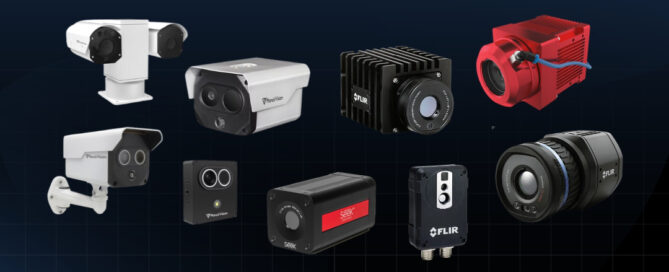
Best Thermal Cameras for Early Fire Detection and How to Choose the Right One

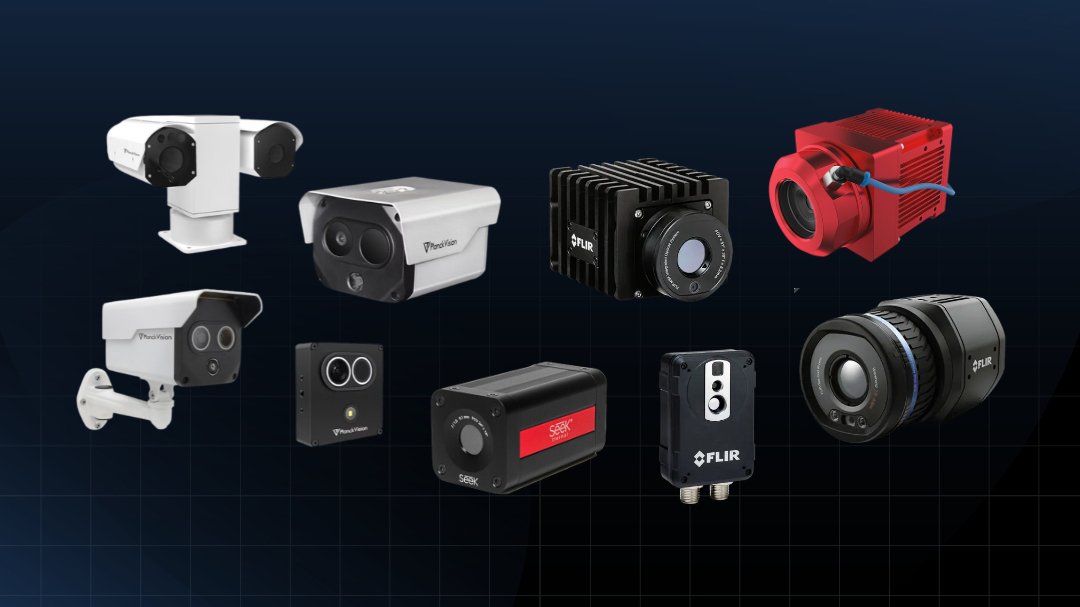
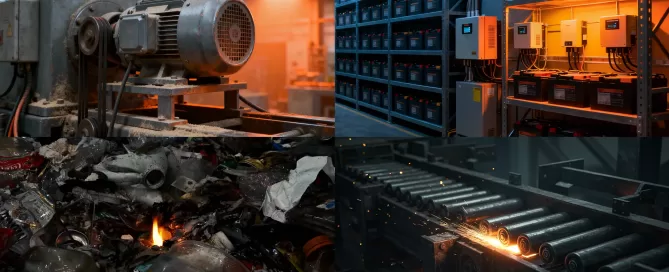
Your Guide to Smarter, Earlier Fire Detection with the Right Camera When it comes to early fire detection, thermal cameras give you the most reliable visibility. In fact, detect heat long before smoke appears or alarms activate. However, only certain fixed mount thermal cameras are designed for nonstop monitoring, analytics, and integration with [...]

Why Thermal Visibility Is the Strongest First Layer in Fire Prevention

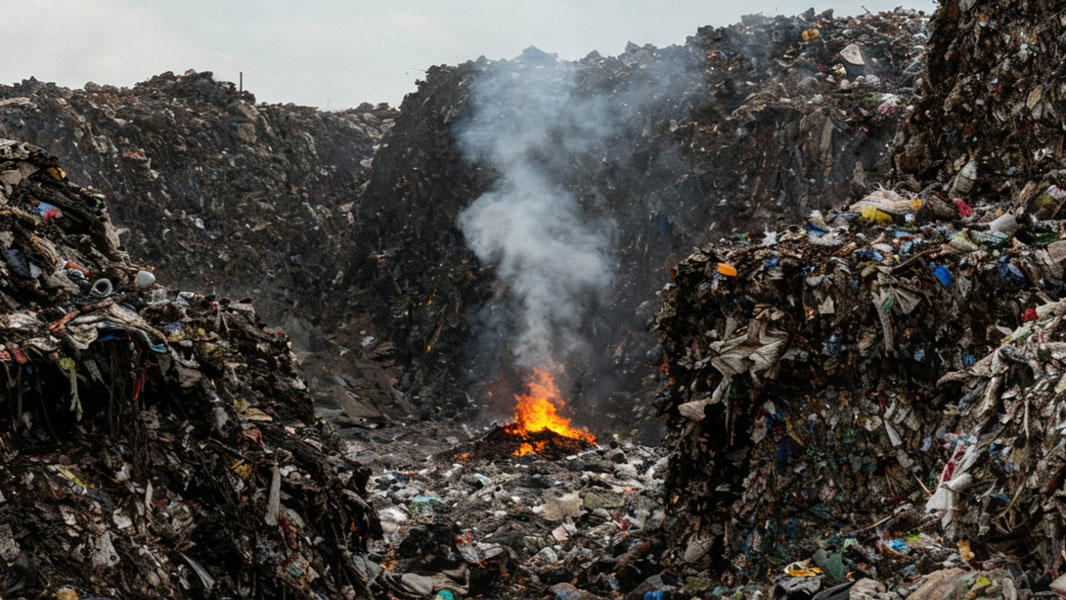
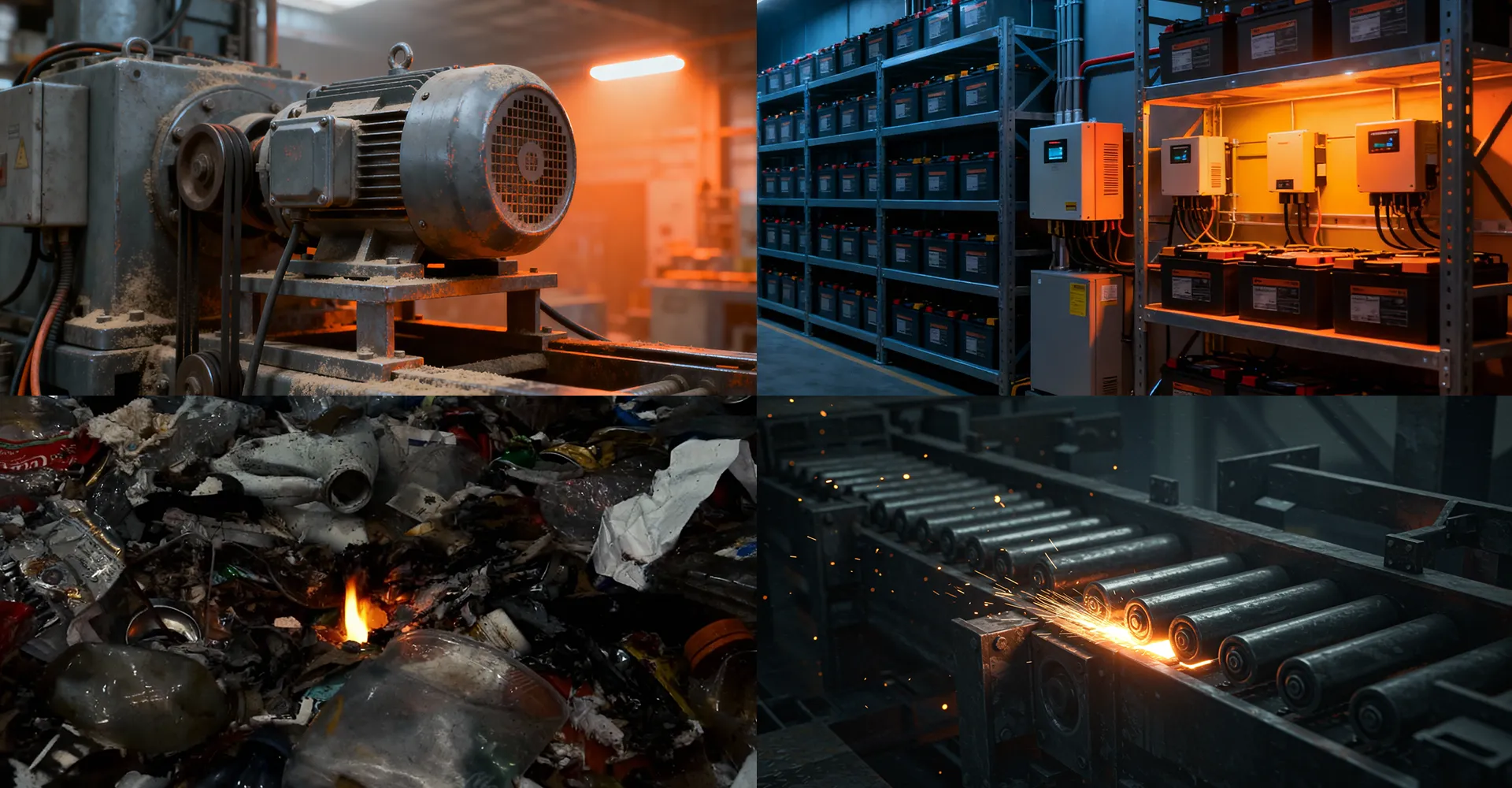
The Power of Thermal Visibility in Preventing Hidden Fire Risks Most industrial fires do not start with flames. They start quietly, as small pockets of heat that slowly build over time. A motor begins to run hotter than usual. A charger warms up more than normal. A waste pile starts to smolder deep inside. [...]

How to Turn Your Existing Fixed Mount Thermal Camera into a Smart Condition Monitoring System

Unlock Real-Time, Continuous Monitoring with Your Existing Camera If you already own a fixed mount thermal camera, you might be using it for basic viewing, manual inspections, or simple temperature checks. These cameras are valuable, but most facilities only use a small fraction of what they can do. What many teams do not realize [...]

Why Real Time Notifications Matter During After Hours Operations

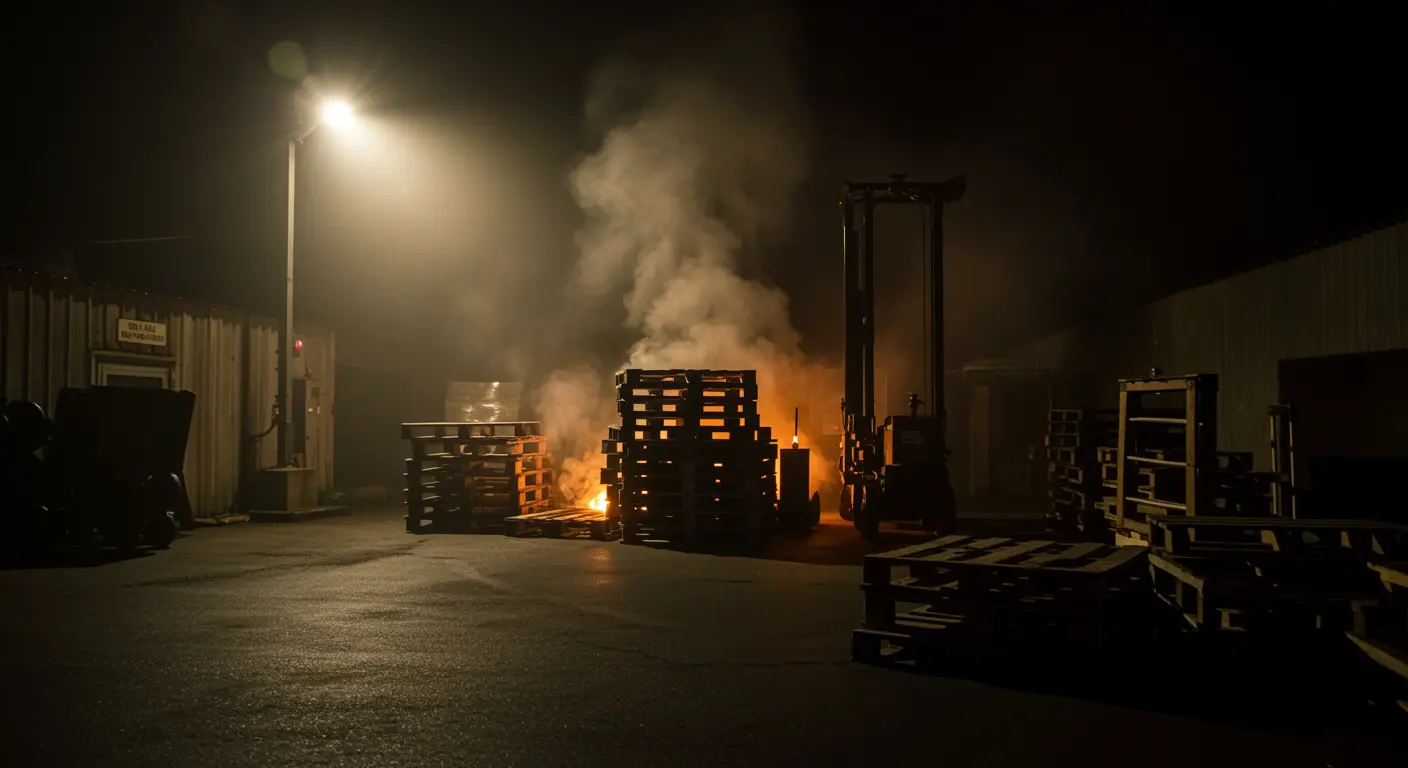
After-Hours Monitoring Has Become Essential for Facility Safety Most facilities run with smaller crews after hours. Some run with none at all. Yet this is often the period when the highest risks go unnoticed. Equipment runs hot, waste piles continue to smolder, batteries sit charging, and production lines may still have residual heat. Without [...]

How iTL Uses Multi-Sensor Data to Strengthen Insurance Reporting and Risk Profiles

Where Better Visibility Meets Better Insurance Outcomes Insurance teams care about one thing above all else. They want clear proof that a facility understands its risks and responds to them quickly. Whether it is a hotspot, a temperature trend, an environmental issue, or a sudden equipment change, insurers look for facilities that can show [...]

How Multi-Facility Companies Can Roll Out Thermal Monitoring in Phases Without Disrupting Operations

How to Expand Thermal Monitoring Gradually Without Disruption Rolling out new safety technology across multiple facilities is a challenge. Each site has different layouts, different equipment, different staffing levels, and different priorities. Many organizations want better visibility and earlier detection, but they cannot afford to disrupt operations, halt production, or ask every location to [...]

Why Insurers Want Better Event Reporting and How iTL Makes It Easy

Turning Thermal Monitoring into Safer Operations and Trusted Reports Insurance teams do not just care about whether an incident happened. They care about how well it was documented, how quickly it was detected, and whether the facility can clearly show what occurred before, during, and after the event. Good reporting helps insurers understand risk, [...]

Preventing Battery Storage Overheating with Continuous Thermal Monitoring

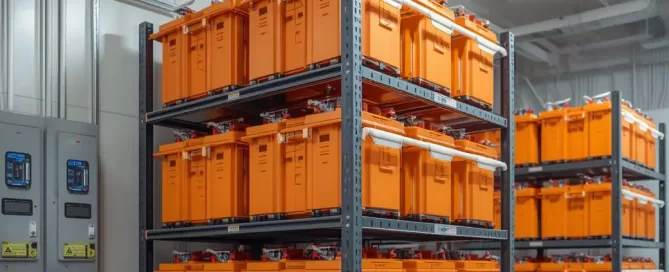
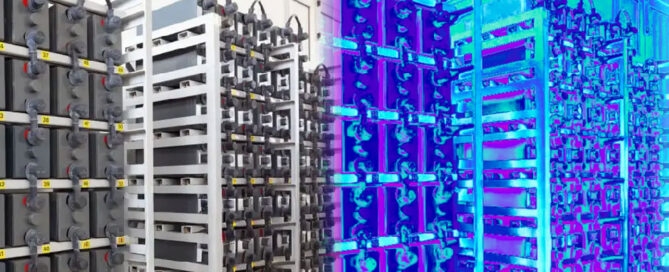
Continuous visibility and early heat detection for safer battery operations When a warehouse experiences a thermal incident, the aftermath often reveals how fragile safety systems can be. For one facility that recharges VRLA batteries, a near miss led to an urgent search for a better way to prevent heat-related risks before they shut operations [...]

Preventing Battery Storage Fires with Continuous Thermal Monitoring

Problem The Hidden Danger in Battery Storage Rooms A recent overheating incident in the facility’s VRLA battery charging area forced a temporary shutdown and revealed a serious gap in how heat was being monitored. There was no fire, but the event showed that basic sensors were not enough to detect early temperature changes before [...]

Go to Top